Perimenopause can feel like your body is playing a guessing game with you. One day you’re fine, the next you’re dealing with hot flashes, mood swings, brain fog, or sleep issues. While hormones are doing their thing, what you eat can make a real difference in how you feel. The right foods can help balance hormones, support bone health, boost energy, and keep those pesky symptoms in check. Let’s dive into 10 foods that can help you navigate perimenopause with more ease and less stress.
These are 10 Foods to Eat During Perimenopause to Feel Your Best
Fatty Fish for Hormone Balance
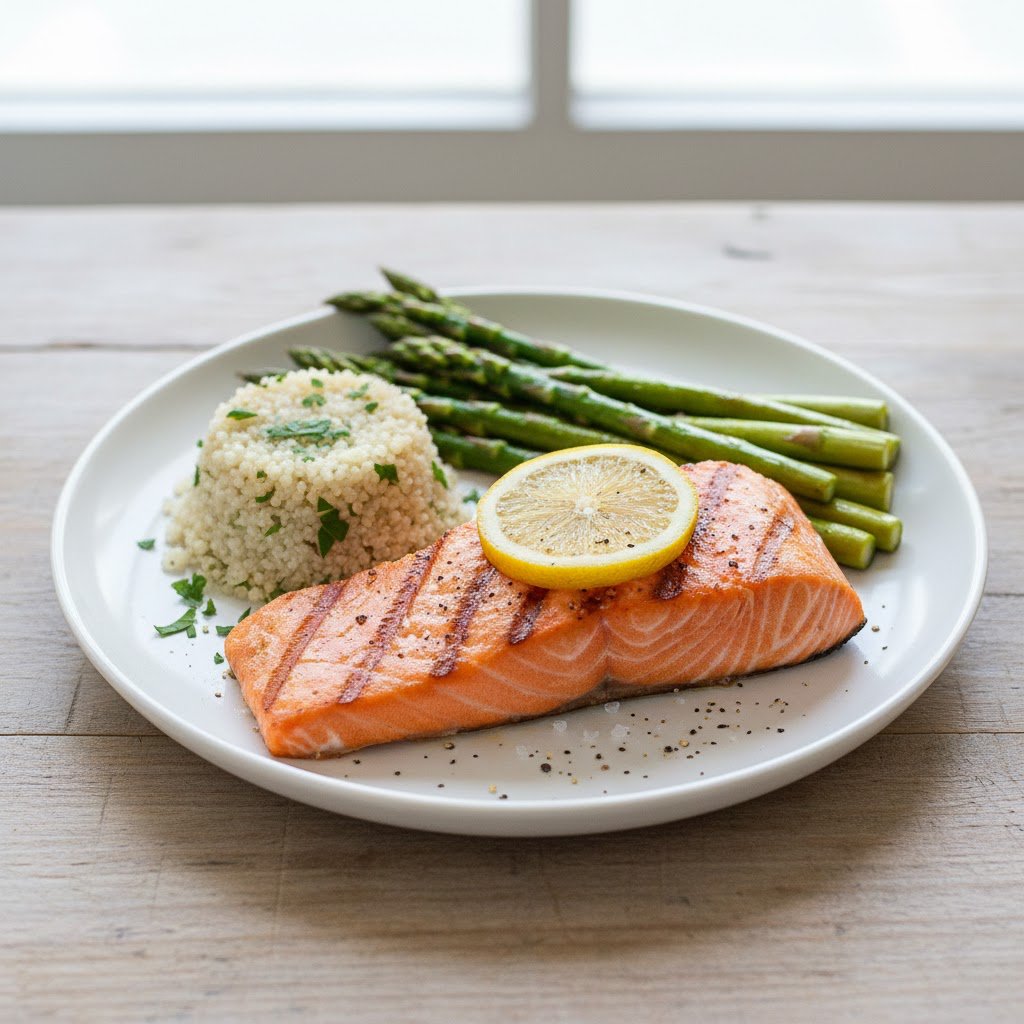
Fatty fish like salmon, mackerel, and sardines are packed with omega-3 fatty acids, which are essential for hormone production and balance. These healthy fats also help reduce inflammation, which can ease joint pain and improve mood—two common perimenopause complaints.
Why Omega-3s Matter
During perimenopause, estrogen levels fluctuate wildly, and that can throw everything off balance. Omega-3s help your body manage these shifts more smoothly. They support brain health, which means clearer thinking and less brain fog. Plus, they’ve been shown to reduce the frequency and intensity of hot flashes.
Here’s how to add more fatty fish to your diet:
- Aim for at least two servings per week. Grilled salmon for dinner or sardines on whole-grain toast make easy, delicious options.
- Try canned options. Wild-caught salmon or sardines in olive oil are budget-friendly and convenient.
- Mix it up. If you’re not a fan of fish, consider a high-quality omega-3 supplement—just check with your doctor first.
Think of fatty fish as brain food with a bonus. You’re not just eating for energy; you’re supporting your hormones and overall well-being at the same time.
Flaxseeds for Estrogen Support
Flaxseeds are tiny but mighty when it comes to perimenopause. They contain lignans, plant compounds that act like weak estrogens in your body. This can help balance hormone levels naturally, especially when estrogen starts to drop.
Easy Ways to Use Flaxseeds
Ground flaxseeds are more digestible than whole seeds, so your body can actually absorb the nutrients. They’re also incredibly versatile and easy to sneak into meals.
- Add a tablespoon to smoothies for a nutty flavor and extra fiber.
- Sprinkle over oatmeal, yogurt, or salads.
- Mix into baked goods like muffins or pancakes for added nutrition.
Flaxseeds also support digestive health and can help with bloating—a common perimenopause symptom. Plus, they’re loaded with fiber, which helps keep you full and supports healthy cholesterol levels.
Leafy Greens for Bone Health
Calcium isn’t the only nutrient your bones need during perimenopause. Leafy greens like kale, spinach, and collard greens are packed with vitamin K, magnesium, and calcium – all crucial for keeping bones strong as estrogen declines.
Why Bone Health Matters Now
Estrogen helps protect bone density, so as levels drop during perimenopause, your risk for osteoporosis increases. Loading up on leafy greens now can help you maintain strong bones for years to come.
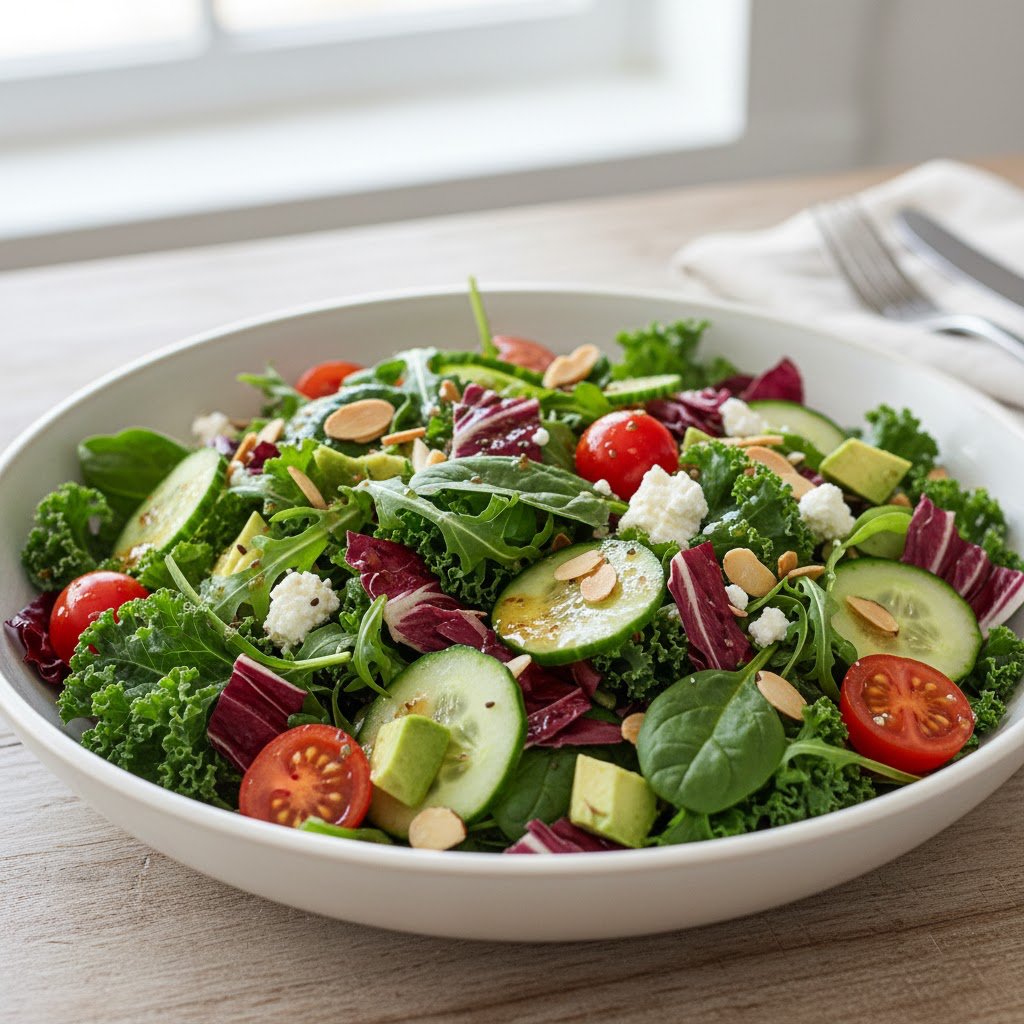
Here’s how to get more greens on your plate:
- Toss spinach or kale into smoothies. You won’t even taste it, especially with fruit mixed in.
- Sauté greens with garlic and olive oil as a quick side dish.
- Add them to soups, omelets, or pasta dishes for an easy nutrient boost.
Think of greens as your bone insurance policy. A little effort now pays off big time later.
Whole Grains for Stable Energy
Whole grains like quinoa, oats, and brown rice provide steady energy without the blood sugar spikes and crashes that come from refined carbs. During perimenopause, stable blood sugar is key to managing mood swings, cravings, and energy levels.
Fiber and B Vitamins
Whole grains are rich in fiber, which helps regulate digestion and keeps you feeling full longer. They also contain B vitamins, which support energy production and can help reduce fatigue, a common complaint during perimenopause.
- Swap white rice for brown rice or quinoa at dinner.
- Choose steel-cut oats or whole-grain toast for breakfast instead of sugary cereals.
- Snack on whole-grain crackers with hummus or nut butter.
Whole grains aren’t boring, and they don’t have to be complicated. Simple swaps can make a big difference in how you feel throughout the day.
Greek Yogurt for Gut and Bone Health
Greek yogurt is a double win during perimenopause. It’s packed with calcium for bone health and probiotics for gut health. A healthy gut can improve digestion, boost mood, and even support hormone balance.
Protein Power
Greek yogurt is also high in protein, which helps maintain muscle mass—something that naturally declines with age. Plus, protein keeps you satisfied longer, which can help manage weight gain during this transition.
Ways to enjoy Greek yogurt:
- Top with berries, nuts, and a drizzle of honey for a balanced breakfast or snack.
- Use it as a base for smoothies instead of milk.
- Substitute it for sour cream in recipes for a healthier option.

Choose plain, unsweetened Greek yogurt and add your own toppings. Flavored varieties are often loaded with sugar, which can worsen symptoms like mood swings and energy crashes.
Berries for Antioxidant Support
Blueberries, strawberries, raspberries—take your pick. Berries are loaded with antioxidants, which help fight inflammation and oxidative stress. During perimenopause, inflammation can worsen symptoms like joint pain and fatigue.
Brain and Heart Health
Berries are also great for cognitive function and heart health. Since the risk for heart disease increases after menopause, eating heart-healthy foods now is a smart move.
- Toss berries into smoothies, yogurt, or oatmeal.
- Keep frozen berries on hand for convenience.
- Snack on fresh berries when they’re in season.
Berries are naturally sweet, satisfying, and incredibly nutrient-dense. They’re an easy, delicious way to support your body during this transition.
Nuts and Seeds for Healthy Fats
Almonds, walnuts, chia seeds, and pumpkin seeds are all excellent sources of healthy fats, protein, and magnesium. Magnesium is especially important during perimenopause because it supports sleep, reduces anxiety, and helps regulate mood.
Snacking Smart
Nuts and seeds make perfect snacks, but portion control matters. A small handful (about an ounce) is enough to provide benefits without overdoing calories.
- Keep pre-portioned bags in your purse or desk drawer.
- Add nuts to salads or stir-fries for extra crunch.
- Sprinkle seeds over yogurt, oatmeal, or smoothie bowls.
Think of nuts and seeds as your go-to snack when you need sustained energy and a mood boost. They’re portable, satisfying, and packed with nutrients.
Cruciferous Vegetables for Detoxification
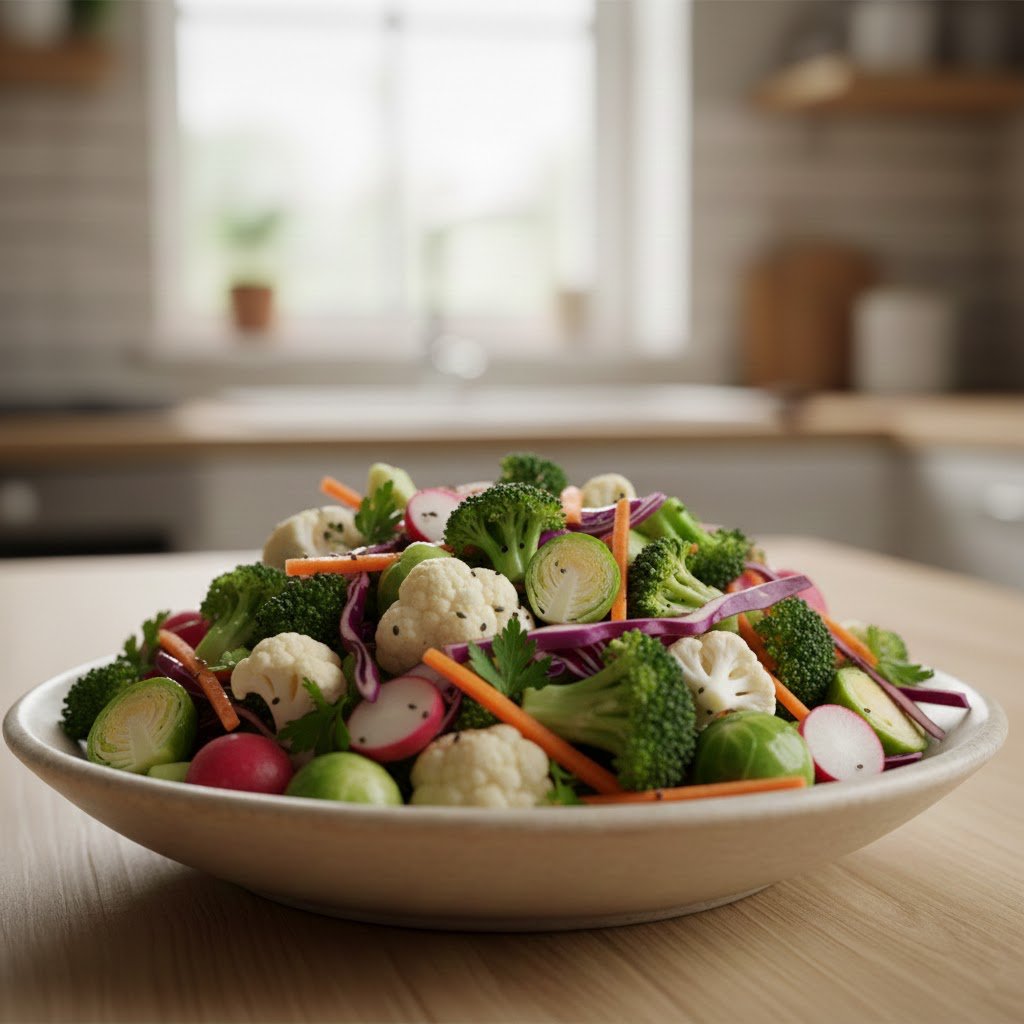
Broccoli, cauliflower, Brussels sprouts, and cabbage are all part of the cruciferous family. These vegetables support liver function, which helps your body process and eliminate excess hormones. They’re also high in fiber and antioxidants.
Supporting Hormone Balance
Cruciferous veggies contain compounds that help metabolize estrogen more efficiently. This can be especially helpful during perimenopause when estrogen levels are all over the place.
- Roast Brussels sprouts or cauliflower with olive oil and seasoning.
- Add broccoli to stir-fries, soups, or pasta dishes.
- Try cauliflower rice as a low-carb alternative to grains.
Don’t overcook them, steaming or roasting preserves more nutrients than boiling. Even if you’re not a huge veggie fan, experimenting with different cooking methods can make a big difference.
Legumes for Protein and Fiber
Beans, lentils, and chickpeas are excellent plant-based sources of protein and fiber. They help stabilize blood sugar, support digestive health, and keep you feeling full. Plus, they’re budget-friendly and incredibly versatile.
Balancing Hormones Naturally
Legumes contain phytoestrogens, plant compounds similar to estrogen that can help balance hormone levels during perimenopause. They’re also rich in iron, which is important if you’re experiencing heavy periods.
- Add chickpeas to salads or roast them for a crunchy snack.
- Make lentil soup or chili for a hearty, nutrient-packed meal.
- Use black beans in tacos, burritos, or as a side dish.
Legumes are filling, satisfying, and easy to incorporate into meals you’re already making. A little goes a long way.
Dark Chocolate for Mood and Magnesium
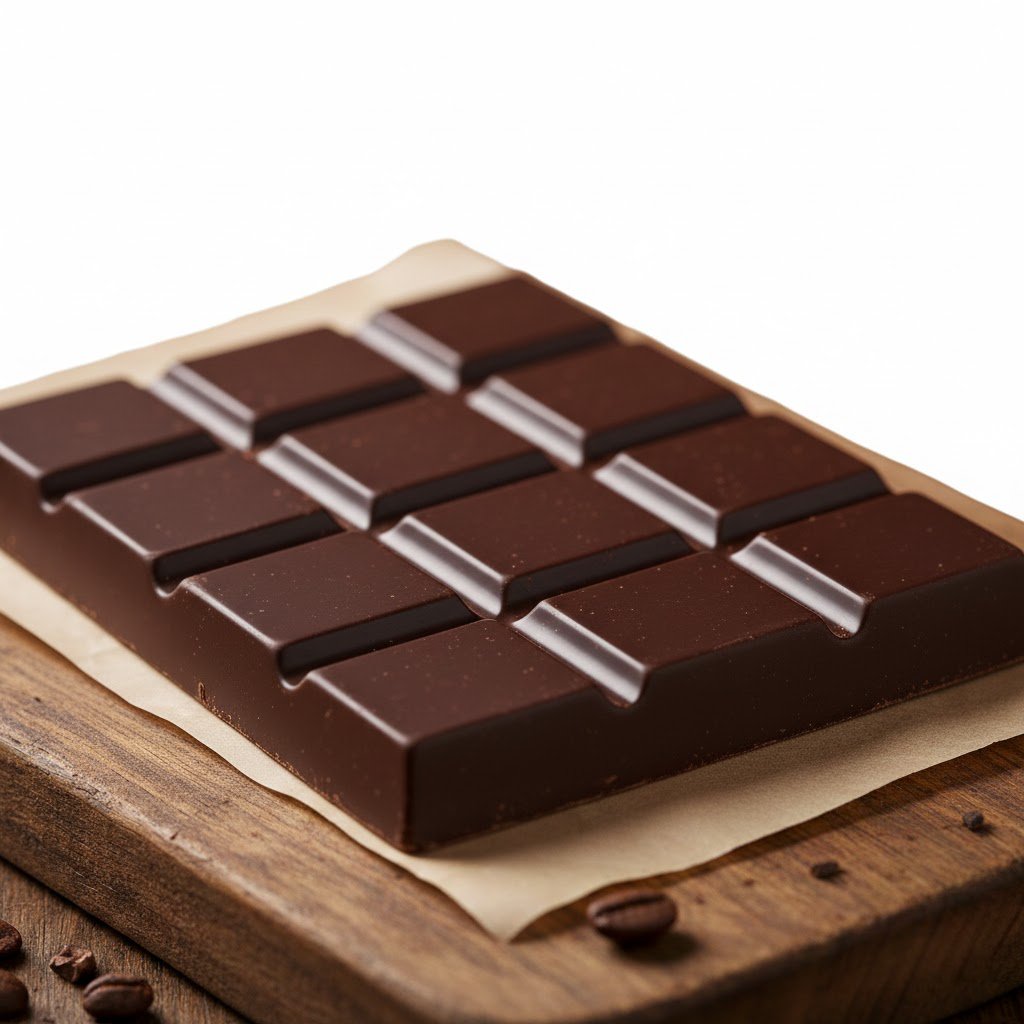
Yes, chocolate made the list—but we’re talking about dark chocolate with at least 70% cocoa. Dark chocolate is rich in magnesium, which supports relaxation and sleep. It also contains antioxidants and can help improve mood.
Indulge Mindfully
A small square or two is enough to satisfy cravings without overdoing sugar. Dark chocolate can be a guilt-free treat during perimenopause, especially when you’re dealing with mood swings or stress.
- Choose high-quality dark chocolate with minimal added sugar.
- Pair it with nuts or berries for a balanced snack.
- Savor it slowly—mindful eating makes it more satisfying.
Think of dark chocolate as your little reward for taking care of yourself. It’s proof that eating well doesn’t mean giving up the foods you love.
Now What?
Perimenopause doesn’t have to feel like an uphill battle. By focusing on nutrient-dense, hormone-supporting foods, you can ease symptoms and feel more like yourself. Start small, add one or two of these foods to your routine this week and build from there.
Your body is going through a lot right now, and it deserves all the support you can give it. Fuel it well, listen to what it needs, and celebrate every positive change along the way. You’ve got this!