How Micro-Movements Can Fix Your Posture and Relieve Stiffness
How Micro-Movements Can Fix Your Posture and Relieve Stiffness
Posture problems and stiffness aren’t just annoying, they can really affect how you feel and move every day. The good news is that you don’t need a full workout or special equipment to start feeling better. Small, intentional movements can make a big difference.
Micro-movements are simple, subtle shifts you can do throughout the day to improve alignment, build strength, and ease discomfort. In this post, we’ll talk about how these tiny adjustments can help you sit, stand, and move with less effort and more comfort.
What Are Micro-Movements?
Micro-movements are small, controlled motions that look minor but make a big impact over time. Think of them as “sneaky” exercises you can do anywhere without changing your schedule. You don’t need equipment or even much space.
For example:
- Gently tilt your head side to side to ease neck tension
- Shrug your shoulders up and down to release tightness
- Flex and point your toes while seated if your legs feel stiff
- Shift your weight slowly from one foot to the other when standing
These tiny movements keep your body from locking up when you’re sitting or standing too long. It’s like giving your muscles a quick refresh button throughout the day.
Why Micro-Movements Matter
Even small movements have a big effect on your body. They wake up sleepy muscles, improve blood flow, and keep your joints happy.
- Muscle Activation: Little motions like wrist rolls or shoulder shrugs remind your muscles to stay engaged so they don’t weaken from inactivity.
- Better Circulation: Movement, no matter how small, boosts blood flow, delivering oxygen and nutrients that help reduce stiffness and fatigue.
- Joint Lubrication: Every time you bend or rotate, you encourage synovial fluid to move through your joints, which acts like natural oil to keep them flexible.
Micro-movements are like gentle check-ins with your body. They keep everything active and working together, which helps prevent that stuck, achy feeling you get after sitting too long.
How Micro-Movements Improve Posture
You don’t need major changes to improve your posture. Tiny, deliberate shifts can retrain your body to hold itself better.
Here’s how they work:
- Wake Up Underused Muscles: Sitting too long causes muscles in your core, shoulders, and upper back to “switch off.” Shoulder rolls, gentle twists, and small pelvic tilts bring them back online.
- Build Strength Over Time: Light contractions add up. Engaging your deep core for just a few seconds at a time builds endurance that supports good posture naturally.
- Prevent Muscle Overload: When one area is too tight, other muscles work harder to compensate, which causes pain. Micro-movements keep things balanced and reduce strain.
The more consistently you practice, the more natural good posture feels.
Micro-Movements for Stiffness Relief
Stiffness creeps up on all of us, especially if you sit a lot, carry stress, or repeat the same movements. Micro-movements target common problem areas and loosen them up fast.
Neck and Shoulders:
- Small shrugs, slow head rolls, and gentle tilts release tension from screen time and stress.
Lower Back:
- Sitting compresses your spine. Pelvic tilts forward and back help “reset” your lower back and relieve pressure.
Hips and Knees:
- While seated, make little knee circles or cross and uncross your legs. If you’re standing, shift your weight side to side or bend your knees slightly.
Hands and Wrists:
- Typing and texting tighten these areas. Rotate your wrists, clench and release fists, or gently stretch your fingers.
Focus on small, intentional moves. You’re not working out, just keeping your body awake and mobile.
Easy Desk-Friendly Exercises
If you sit at a desk, these are quick options you can do without leaving your chair:
- Shoulder Rolls: Loosen tight shoulders and improve posture.
- Seated Spine Twists: Place one hand on your chair’s back and gently twist, holding for a few seconds.
- Neck Tilts: Drop your ear toward your shoulder, then switch sides.
- Wrist Circles: Rotate wrists slowly in both directions.
- Toe Taps and Heel Lifts: Keep circulation going in your legs.
Try sprinkling these in between emails, calls, or meetings.
Standing Micro-Movements
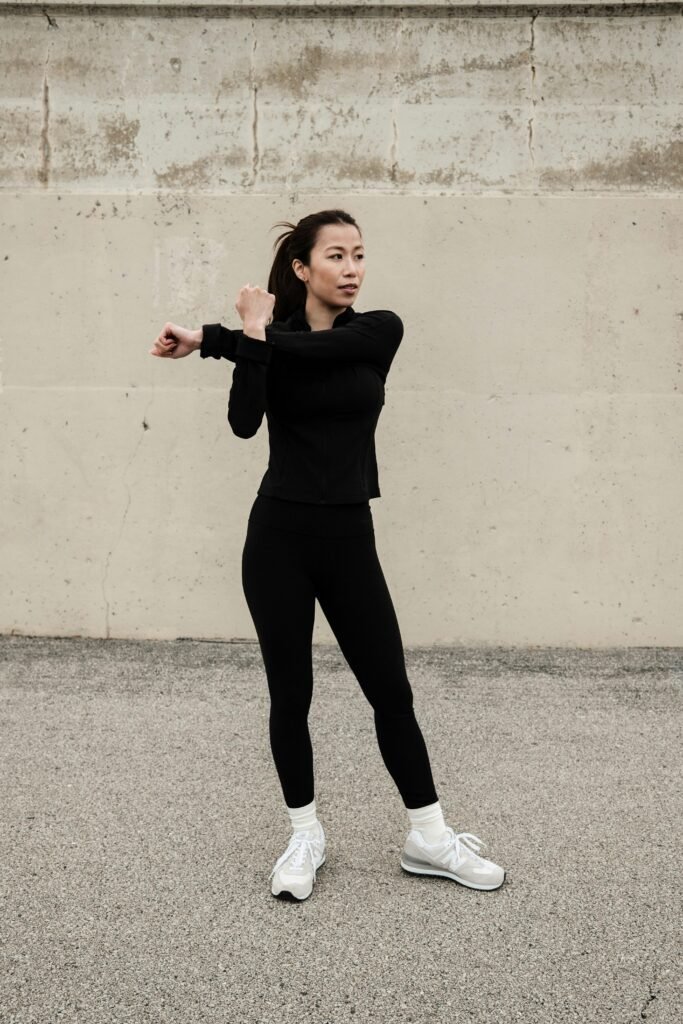
You can also add these moves into daily moments, like waiting in line or brushing your teeth:
- Weight shifts from one foot to the other
- Small ankle rolls to improve circulation
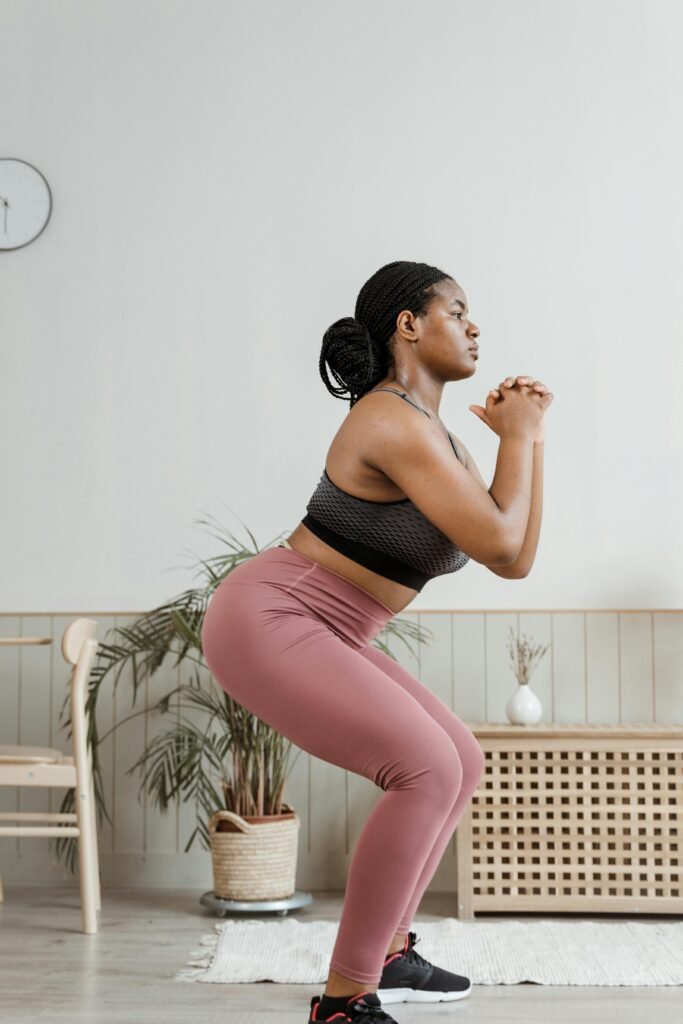
- Mini squats to wake up your legs
- Heel raises to strengthen calves and improve balance
- Gentle hip circles to loosen tightness
- Easy arm swings to relax your shoulders
These little tweaks keep your body engaged and aligned without much effort.
Stretching With Micro-Movements
Combining traditional stretches with tiny pulses can improve flexibility and range of motion:
- Dynamic Hamstring Stretch: Sit, extend one leg, and gently rock forward and back.
- Cat-Cow Spine Stretch: Arch and round your back slowly, adding slight pulses.
- Side Body Reach: Stretch overhead and add little bounces to deepen the stretch.
- Chest Opener Pulses: Clasp hands behind you and gently squeeze shoulder blades together.
A few minutes of these stretches each day can make your body feel looser and more energized.
Making Micro-Movements a Habit
The best part about micro-movements is how easy they are to weave into your day. You don’t need extra time or equipment.
- Set Gentle Reminders: Use alarms or sticky notes to nudge yourself to move every 30 minutes.
- Use Waiting Time: Shift weight while standing at the stove, roll your ankles in line, or stretch your neck while brushing your teeth.
- Pair With Daily Habits: Do a seated twist while checking emails or flex your toes while sipping coffee.
- Use What You Have: A wall can support stretches, a water bottle can act as a wrist roller.
Consistency matters more than intensity. Over time, these tiny movements become second nature and your body will thank you.
Final Thoughts
Micro-movements may be small, but their benefits are huge. They reduce stiffness, improve posture, and make everyday movement easier. By activating muscles, improving circulation, and keeping joints mobile, you can support your body without committing to a full workout.
Start small. Add a few of these movements into your day, and notice how much better you feel after a week or two. Your posture, flexibility, and energy will thank you.