Fatigue. Brain fog. Infrequent cycles. Anger. Joint pain. Bloating. Night sweats. Insomnia! Ugh.
That’s been my reality for the last few months, not to mention the weight gain and the way my body has been completely changing over the past year. If you’re nodding right now, you probably know exactly what I’m talking about.
Last fall, when my symptoms started showing up in full force, I asked my doctor about hormone replacement therapy (HRT). Her response?
“We don’t do that here.”
At the time, my symptoms weren’t unbearable, but they were definitely bothering me. I figured maybe I’d just wait it out, like so many women are told to do.
But here’s the truth: perimenopause doesn’t “wait it out” with you. It ramps up. By the start of this summer, I felt like I was unraveling.

The Late-Night Turning Point
One night, after yet another round of tossing and turning, I finally grabbed my laptop and started researching online HRT options.
I’ll be honest: I was hesitant. I’d always heard warnings about the “dangers” of hormone replacement therapy. But the more I dug into current research, the more I realized those scary studies are outdated. I also noticed something else, more and more women were openly sharing how much HRT had changed their lives for the better.
So, I kept reading.
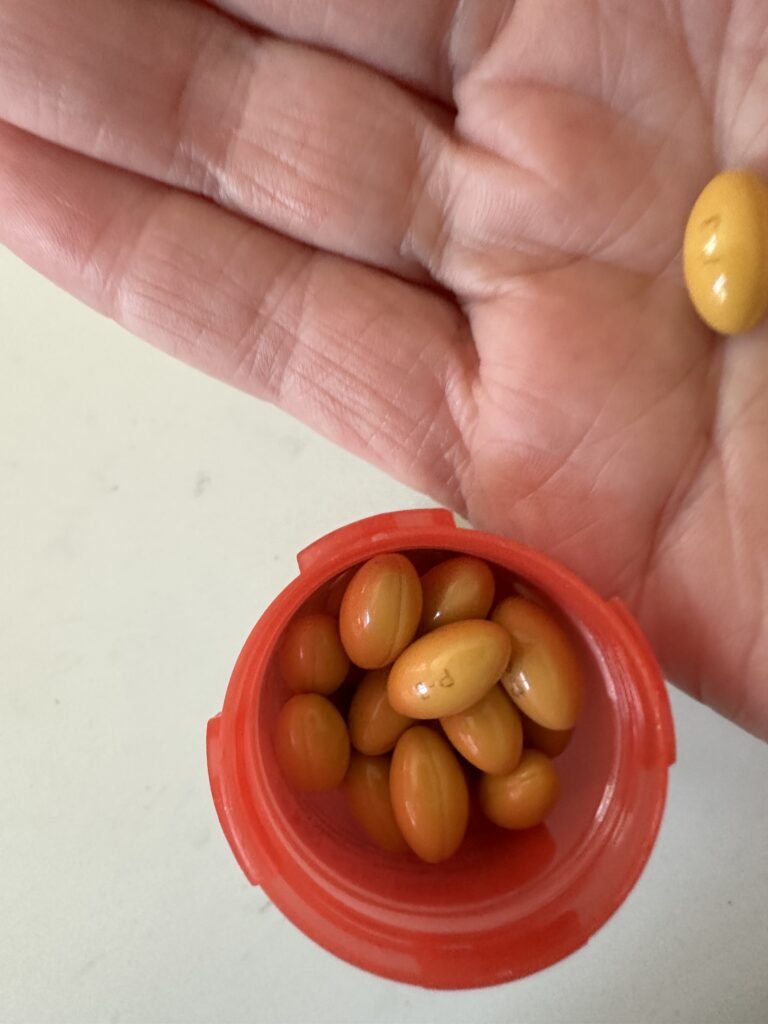
I eventually found a platform offering FDA-approved treatments, chatted with their customer service, then filled out their questionnaire, checked off what felt like every symptom under the sun, and within a day I was approved for estradiol patches, progesterone capsules and DHEA.
No judgment. No need to have more labs done (my doctor at least did those for me). No waiting weeks for an appointment.
And that got me thinking:
- Why is it so easy to get approved online but so hard through a traditional HRT clinic near me?
- Are these online services actually legit?
- And why are so many of us left to figure this out on our own?

I Think This is Why Doctors Hesitate About HRT
After going down the rabbit hole, here’s what I learned:
1. Outdated studies still shape decisions
In the early 2000s, the Women’s Health Initiative (WHI) study linked HRT to breast cancer and heart attacks. Those findings scared everyone, doctors included.
But more recent research shows those risks were overstated and mostly applied to women starting HRT in their 70s, not those of us in our 40s or 50s.
(Read: www.self.com/story/hormone-replacement-therapy)
2. Most doctors get very little menopause training
This shocked me: menopause care isn’t a medical subspecialty. That means many doctors don’t get much education on perimenopause or menopause management at all, leaving them hesitant to prescribe HRT.
3. The “tough it out” mentality
For decades, women have been told that hot flashes, mood swings, and exhaustion are just part of life. That mindset hasn’t fully gone away, and a lot of doctors still approach menopause with “you’ll get through it” rather than “let’s help you feel better.”
I Wondered: Are Online HRT Services Legit?
I was skeptical at first, but after digging into it, here’s what I learned:
- Licensed providers review your health history and symptoms before prescribing anything.
- FDA-approved bioidentical hormones like estradiol patches and micronized progesterone are tested, regulated, and widely used.
- Telehealth platforms simply remove the roadblocks: no months-long waits, no uncomfortable conversations, and no dismissive attitudes.

Some reputable options worth exploring:
- Winona – Is the first option I’ve tried so far. They specialize in perimenopause and menopause care and offer patches, pills, and creams PLUS – and the reason I chose them over the others – I was able to chat with someone online before paying. Read my full review Winona Review on HRT
- Midi Health – Focuses exclusively on midlife women’s hormone care and accepts many insurance plans.
- EverNow – Offers HRT options plus lifestyle support.
- Alloy – Fill out an intake form and go from there.
- Telyrx – Pharmacy with doctor who can prescribe for you.
What About Bioidentical Hormone Therapy?
This is where a lot of confusion comes in.
- FDA-approved bioidentical hormones like estradiol and micronized progesterone are regulated and considered just as safe as traditional HRT. (Here’s a full breakdown)
- Custom-compounded bioidentical hormones (cBHRT) are not FDA-approved and lack strong safety data. Doses can be inconsistent, and research is limited.
Bottom line: unless there’s a medical reason otherwise, sticking with FDA-approved options is usually safer.
Why Early HRT May Actually Be Safer
Newer studies are showing some encouraging news:
- Starting HRT before age 60 or within 10 years of menopause may reduce certain risks and improve long-term health outcomes.
(Here’s a good summary) - Transdermal estrogen (patches or gels) may have a lower risk of blood clots than oral estrogen.
(More details here) - Benefits can include better sleep, improved bone health, sharper cognition, and overall quality of life.

Finding the Right Hormone Therapy Doctor Near You
If you’d rather work with someone in person, here are a few tips:
- Use The Menopause Society Directory to find certified menopause practitioners in your area.
- Search for “bioidentical hormone therapy doctors near me” or “hrt clinic near me” to compare local providers.
- Look for doctors affiliated with trusted systems like Stanford, UCSF, Mayo Clinic, or other reputable institutions.
My Takeaway
Four months ago, I felt dismissed, frustrated, and exhausted. Today, I finally feel like I have a plan.
If you’re dealing with fatigue, brain fog, mood swings, weight gain, or all the other surprises perimenopause throws your way, know this: you don’t have to suffer in silence.
Your symptoms are real. Your quality of life matters. And thankfully, there are more options than ever before.
Final Thoughts
I’m not saying everyone needs HRT, and I’m definitely not saying you should skip talking to your doctor. But if you feel unheard or brushed off, it’s okay to advocate for yourself and explore other options.
For me, starting with Winona was the first step toward feeling like myself again. Whether you choose an online service or a local provider, you deserve care that listens, respects, and helps you thrive.
UPDATE
I’ve been on progesterone, estrogen patches and DHEA for over a week now and already feel so much better! I have more energy and most importantly, I’m sleeping better.
Have you tried HRT? What are your thoughts?