Hormone Replacement Therapy for Menopause
If you’re like me and find yourself wading through a sea of information about hormones, weight, and those weird body changes in your 40s (or 50’s in my case!), you’ve probably wondered if hormone replacement therapy (HRT) can actually help with weight loss. The question is everywhere, and it’s not just women asking. Men are curious too, especially as talk of energy dips, stubborn belly fat, and changing muscle tone starts popping up in every conversation.
This post is all about how bioidentical hormone replacement therapy (BHRT) fits into the picture. We’ll look at what the science actually says, why people think hormones matter for weight, how it really works, and what you need to know before thinking about it for yourself.
How Hormone Replacement Therapy Works and Affects Metabolism
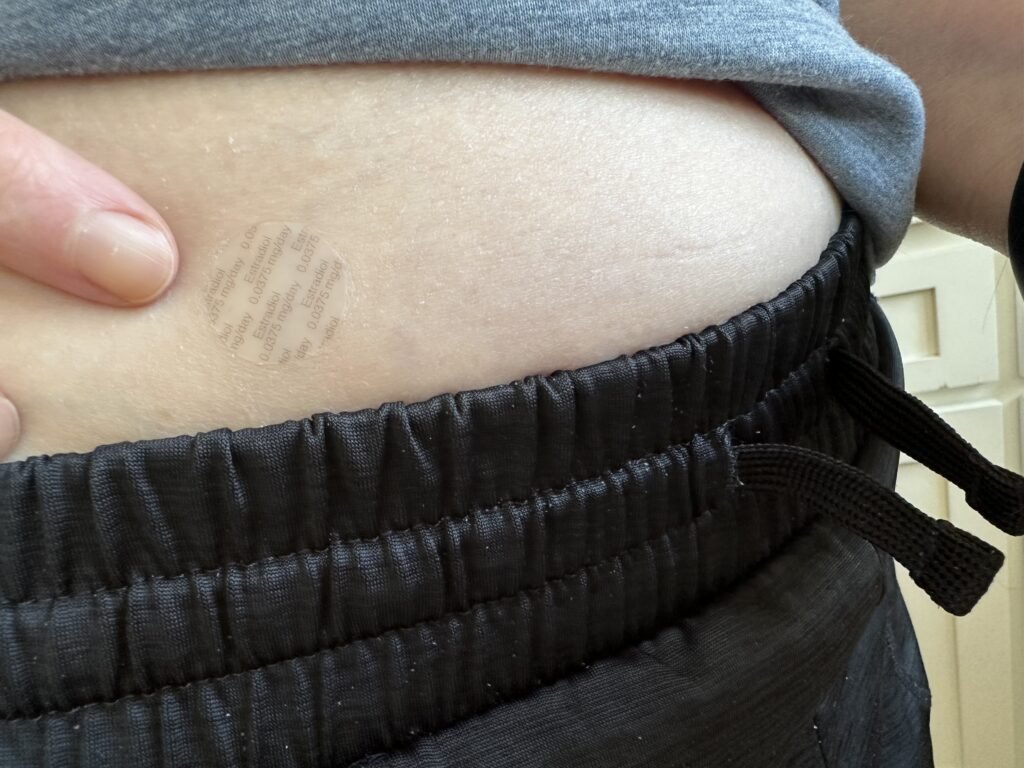
Hormone replacement therapy is exactly what it sounds like. If your body isn’t making enough of a certain hormone, maybe estrogen, testosterone, or thyroid hormone, HRT gives your levels a little nudge back towards normal.
There are two big types: synthetic hormones (lab-created and not identical to what your body makes) and bioidentical hormones (made from plant sources and nearly identical to natural hormones). Both types can adjust key players like estrogen, progesterone, testosterone, thyroid, and cortisol. These hormones work behind the scenes managing how the body burns calories, builds muscle, stores fat, and tells you when you’re hungry.
Not everyone feels hormone changes in the same way. Some people breeze through major shifts. Others get hit hard with fatigue, mood swings, or hot flashes (which are no joke, I’m talking middle-of-the-night sweat attacks). Hormones don’t just cause annoying symptoms. They actually control how your body uses and stores energy, which ties right into weight loss or gain.

What Is Bioidentical Hormone Replacement Therapy (BHRT)
So, what is BHRT? These hormones are made from plants, usually soy or yams, and are tweaked in the lab to match the hormones your own body makes. They get pitched as “natural”, mainly because they copy nature’s blueprint.
BHRT comes in a few forms to fit your life. Creams, pellets under the skin, and patches are the most common. You and your doctor pick what makes sense based on your symptoms and how your body responds.
If you’re curious about the latest safety information, a recent study on menopause hormone therapy reported low risk of side effects when used for symptoms like hot flashes and night sweats.
Hormones That Influence Weight and Metabolism
Let’s break down the hormonal heavy hitters:
- Estrogen: Helps manage where fat hangs out on your body. When levels drop (think menopause or peri menopause), you may notice more belly fat or easier weight gain.
- Testosterone: Mostly talked about for men, but women need it too. Low testosterone can mean less muscle (and therefore a slower calorie burn).
- Thyroid Hormone: Your body’s speedometer. If your thyroid isn’t working right, it can make weight loss feel nearly impossible.
- Cortisol: Known as the “stress hormone.” Chronic stress and high cortisol levels can push your body to hold onto fat, especially in the middle.
When these hormones get out of balance, it’s like everything is upside down.
Mechanisms Linking HRT to Appetite and Fat Storage
Hormones don’t just affect metabolism in a vacuum, they communicate with each other and with your brain. For example, your hunger is governed by hormones like ghrelin (the “feed me” hormone) and leptin (signals “full, stop eating”). A mess of hormones can throw these off, making you hungrier or less likely to feel full.
Hormone therapy may help your body respond better to insulin, which manages blood sugar and fat storage. A healthy mix of hormones can shift your body to store less fat and burn more calories. Still, don’t count on HRT alone for a magic fix, lifestyle always matters, too.
What the Research Says About HRT and Weight Loss
Does popping a hormone pellet or using a cream finally make the scale budge? Here’s what studies and doctors are saying up through 2024. It’s a mixed bag, but let’s look closer.
Findings in Postmenopausal Women
Some of the best research focuses on postmenopausal women. In these studies, estrogen therapy shows a modest drop in abdominal fat, which is good news for anyone tired of their jeans creeping tighter. But don’t expect big changes on the scale unless you also change your eating habits or add more movement.
BHRT seems to help most with annoying symptoms. If you’re asking “what do hot flashes feel like?” for example, users often report relief alongside small shifts in weight.
Limitations, Conflicting Data, and Study Gaps
Here’s where things get tricky. Studies about HRT and weight loss often have small groups and run for only a few months. That’s not enough time to know real long-term benefits or risks. Many trials look at body shape changes (like swaps in muscle vs. fat) instead of just pounds lost. Data in younger women or non-binary folks is even rarer.
Who May Benefit from HRT for Weight Issues
You might be a candidate if:
- You’re a woman with classic menopausal signs – hot flashes, sleep problems etc.
- You’re a man with diagnosed low testosterone, plus fatigue, stubborn fat, or low sex drive.
- You have diagnosed hormone deficiencies (thyroid, pituitary, etc.) after bloodwork.
- Symptoms really bug you, affecting your daily life or mood.
Integrating BHRT with Lifestyle Changes
Combine BHRT with a few lifestyle tweaks for better results:
- Balance your plate with lean protein, lots of fiber, and healthy fats.
- Add a mix of cardio and strength training. I love this one, it really does help you keep muscle, whether you’re in peri menopause or just want to feel stronger.
- Aim for at least seven hours of sleep. Hormones work best when you’re rested.
- Minimize processed foods and extra sugar.
- Stay hydrated, you’d be surprised what some extra water can do!
Final Thoughts
Hormone replacement therapy can play a supporting role in weight management, mainly by correcting imbalances that slow your metabolism, add to hunger, or cause your body to store more fat. The results are usually small and slow, and you’ll need healthy eating, movement, and good sleep for the best chance at success.
Whether you’re curious about BHRT, trying to sort out daily symptoms, or just tired of wondering why nothing fits the same way it used to, talk with your doctor first. The science is evolving but clear communication and a tailored plan will keep your health front and center. HRT isn’t a quick fix, but it could be one piece of a bigger solution, especially when those hormone-driven changes start making life feel unfamiliar.
What if your doctor won’t prescribe BHRT?
As in my case, my doctor wouldn’t help me. She did run a ton of labs for me which was helpful to see where my hormone levels were at. But I eventually reached out to Winona online and was able to get help. I am currently on my first week of BHRT (as of August 2025) and have finally been getting sleep at night!